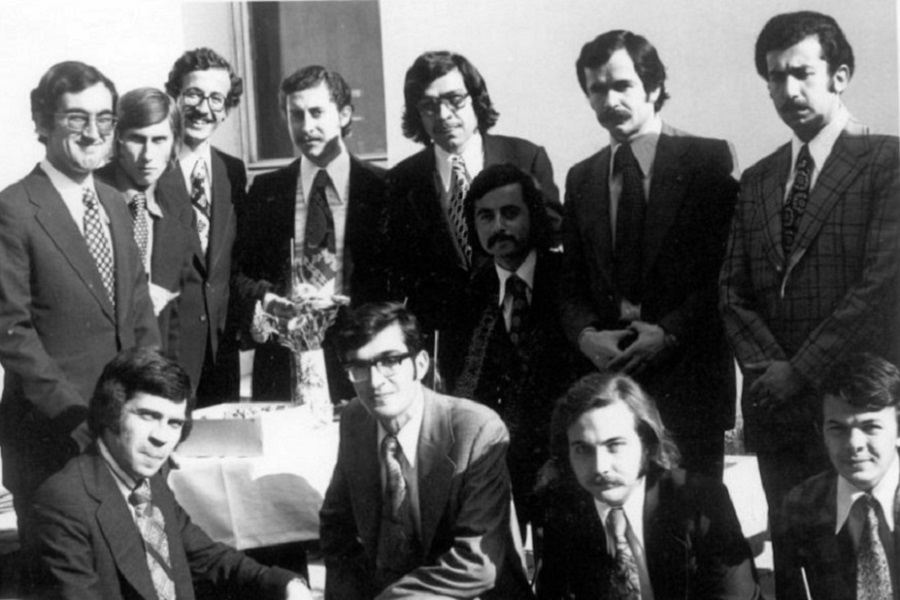
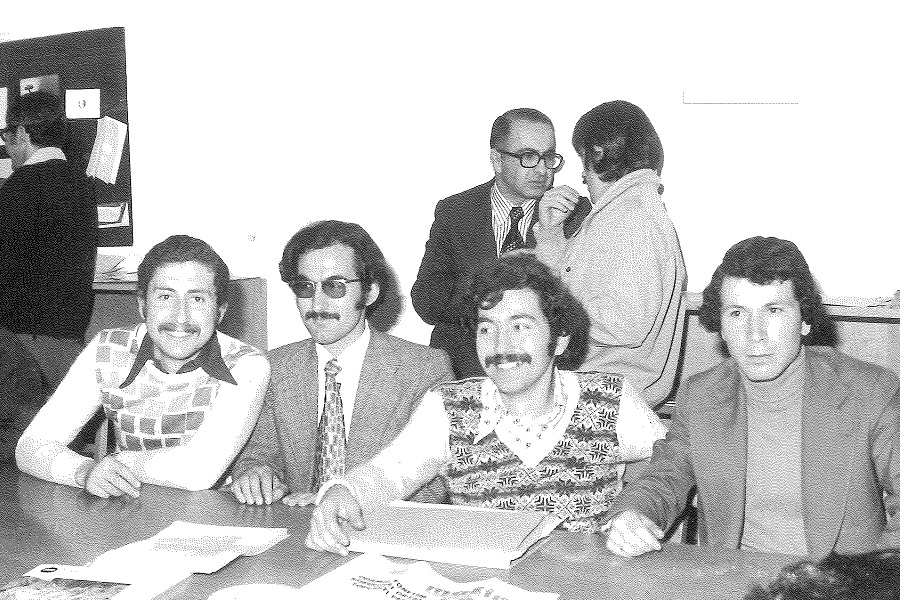
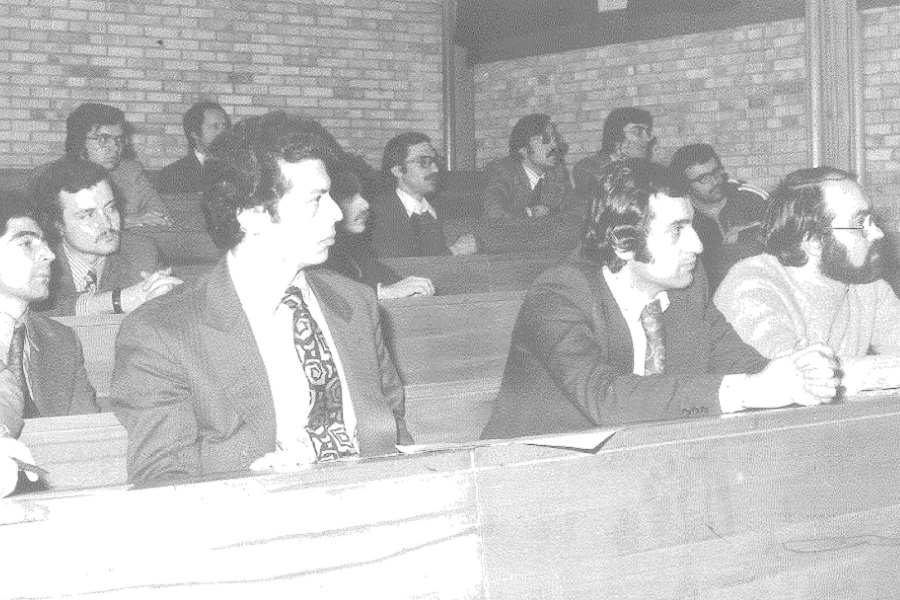
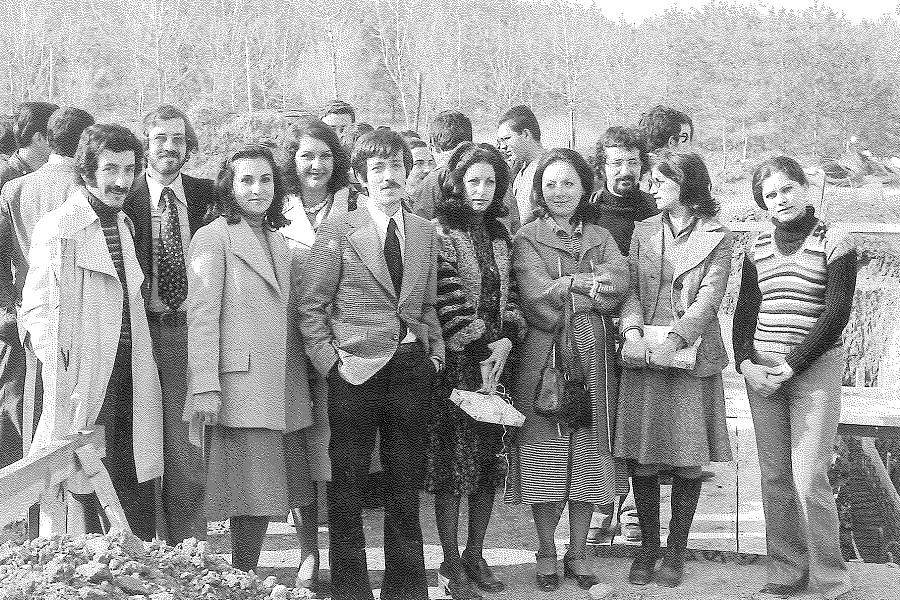
Founded in 1956 shortly after the Faculty of Architecture, the Department of Mechanical Engineering was the second department established at Middle East Technical University (then known as the Middle East Institute of Technology). The department was officially established in December 1956, admitting 24 students—three of whom were foreign nationals—through an entrance exam. Classes commenced in February 1957 in a four-story building owned by the Emekli Sandığı in Kızılay, Ankara.
In the autumn of 1957, the Institute moved to an administrative building in the gardens of the Grand National Assembly of Turkey, and education continued in barracks built as new departments were opened. Following the Department of Mechanical Engineering, the Department of Civil Engineering was opened in the Faculty of Engineering in the same year, followed by the Departments of Electrical and Chemical Engineering in 1958, and the Department of Mining Engineering in 1960.
In 1959, the METU Law was passed in the Turkish Parliament and METU officially gained university status. The Department of Mechanical Engineering — together with the Department of Architecture — produced its first undergraduate graduates at the end of the 1959–60 academic year, with 11 students receiving B.Sc. degrees. The graduate program also began in the same period, and five of the enrolled students earned their M.Sc. degrees at the end of the 1960–61 academic year.
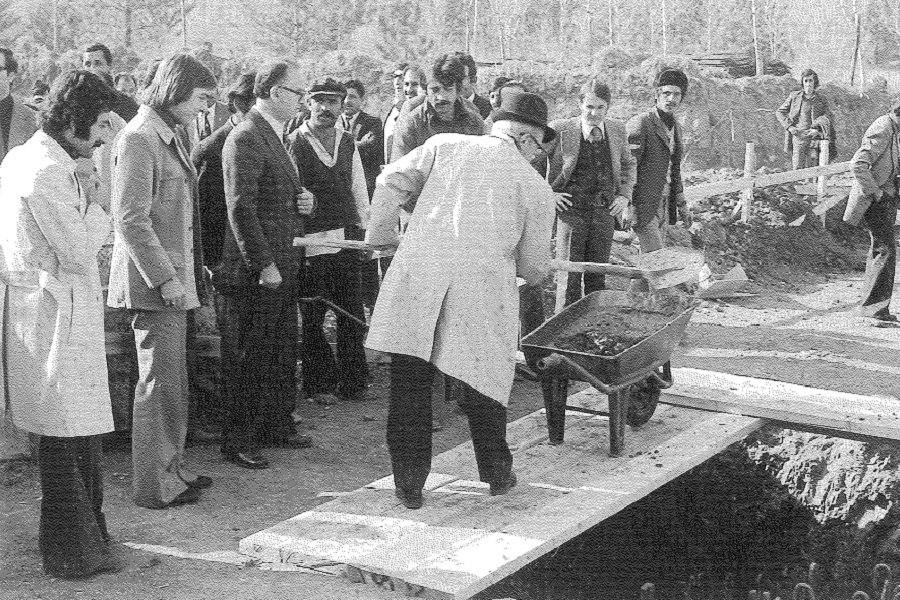
When Kemal Kurdaş became President of METU in 1961, construction began at the present campus. Preparatory School barracks were built in 1962, and the Faculty of Architecture building was completed in 1963 as the first permanent structure. Once the infrastructure was ready, METU left its location at TBMM in 1963, and the academic year began at the new campus that October. Mechanical Engineering students continued their education in barracks since the departmental buildings were not yet finished.
Between 1964 and 1967, 10–12 buildings were completed at METU in 1964, with another 20 buildings finished between 1965 and 1967. The current A Building of the Department was completed in 1964, the C Building in 1965, and the B Building in 1968, allowing the departmental administration, offices, classrooms and laboratories to move into these permanent facilities.
METU began instruction in the 1956–57 academic year with 18 academic staff in total — 6 full-time and 12 part-time. By the 1963–64 academic year, the number of academic staff in the Department of Mechanical Engineering had risen to 32, 16 of whom were full-time.
As the department grew, the number of faculty, students, administrative and technical staff also increased, and the existing buildings could no longer meet the demand. The projects for the D, E, F and G Buildings were therefore prepared in 1974, and construction began the same year. These buildings were completed between 1986 and 1993, bringing the department to its present physical capacity.
Starting from the early 1960s with only a small number of full-time faculty and a single laboratory, the Department of Mechanical Engineering has developed enormously over the years, and today it is widely recognised internationally for both the success of its graduates and the quality of its research. Since its foundation, the department has contributed to, pioneered, and led an impressive range of activities in both quantity and quality.
The department has contributed significantly to the development of METU's Faculty of Engineering. The Department of Metallurgical Engineering (now Metallurgical and Materials Engineering) was founded by members of our department. Our faculty members also contributed to the establishment and development of the Department of Industrial Engineering, the Department of Engineering Sciences and the Department of Aeronautical Engineering (now Aerospace Engineering). The department also played a key role in the establishment of the Mechanical Engineering Department at the METU Gaziantep Campus in 1973 — the first academic unit of that campus, which became Gaziantep University in 1987 — and more recently contributed to the founding of the METU Northern Cyprus Campus.
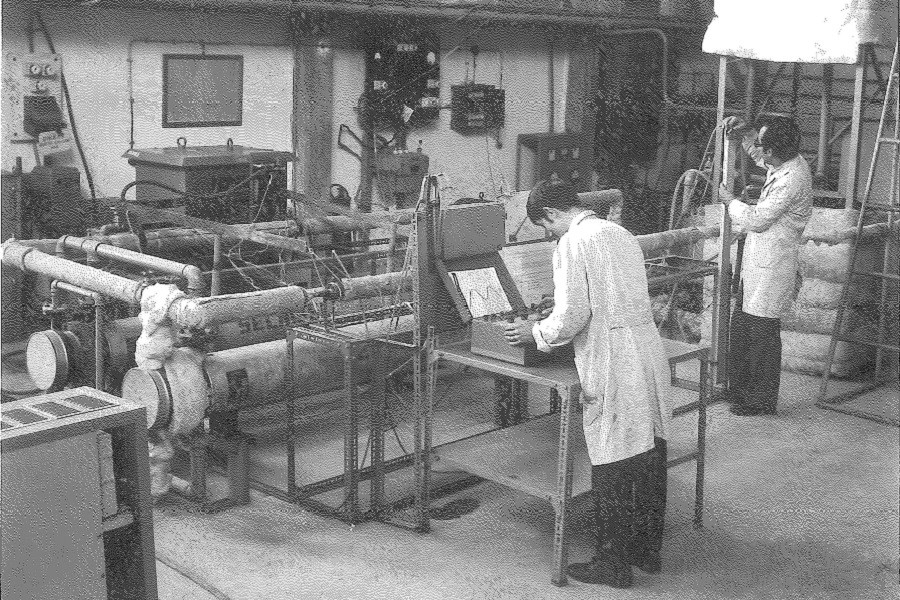
The TÜBİTAK Heat Technology Research Unit was first established at the Department of Mechanical Engineering in 1971, and faculty members carried out various projects there until 1990.
The first NATO Advanced Study Institute (ASI) organised in an engineering field — heat transfer — was held by a group of department faculty members in 1976. Thirteen ASIs, each addressing a different contemporary topic in heat transfer, have been organised since then. By bringing together leading academics and professional engineers from around the world with participants from universities and industry for two-week sessions, the ASIs gave young faculty members and thesis students at METU and other Turkish universities the opportunity to learn first-hand about developments in the field and to establish long-term relationships with experts they had previously known only through publications. The books published abroad as proceedings of these ASIs have been widely cited in the heat transfer literature.
Work on rocket fuels in Turkey was first initiated in the department. Between 1966 and 1969, an anti-tank guided missile design — needed in particular for the defence of the Thracian border — together with its rocket motor, wired and wireless electronic guidance system, associated mechanisms and a parachute warhead enabling re-use after training fires, was developed and successfully tested entirely with domestic resources and materials. The project could not be completed due to insufficient funding.
The first supersonic wind tunnel in Turkey was built at the Department of Mechanical Engineering. The tunnel — together with a small rocket model and visible shock waves — was featured on the cover of the TÜBİTAK journal and attracted considerable public interest.
The International Centre for Heat and Mass Transfer (ICHMT) was founded in 1968 in Belgrade, in the former Yugoslavia. The centre was established to bring together American and Soviet scientists in Europe and to support research collaboration and information exchange. Following the turmoil in the former Yugoslavia, the centre operated outside Belgrade for a short period. In response to an open call in 1993, the METU Rectorate and the TÜBİTAK Presidency applied on behalf of Turkey, and the secretariat of the centre was relocated to METU's Department of Mechanical Engineering in 1994, where it continues to operate. After revisions to its statutes in 1994, the centre's mission became organising and supporting activities for scientific and social cooperation among researchers working on heat and mass transfer. Between 1994 and 2008, ICHMT organised or supported 48 scientific meetings that brought together approximately 5,000 scientists and researchers from 40 countries.
The Turkish Society of Thermal Sciences and Technology was founded in 1976 under the leadership of faculty members from the department — another first for Turkey. The society's flagship publication, the Journal of Thermal Sciences and Technology, is still published regularly and remains the most respected journal in the field in Turkey. The society also organises the National Thermal Sciences and Technology Congress (ULIBTK) every two years; 15 ULIBTKs have been held to date, each at a different university.
The Center for Thermal Environment and Thermal Processes Engineering Applied Research (ISILMAREN) was founded within the Department of Mechanical Engineering in 1974 and addressed industry problems in building physics, heating, cooling, air conditioning, and energy economy. Projects carried out by ISILMAREN included thermal conductivity and thermal bridge studies of prefabricated walls (General Directorate of Disaster Affairs), temperature distribution in refrigerated trailers (Frıntaş Inc.), the effect of developments in glass wool production on insulation (İzocam Inc.), the consequences of fast heating and cooling of aluminium convectors (Elba Inc.) and energy-saving measures at the Kırıkkale facilities of MKE.
The Machine Design and Manufacturing Research Institute (MATİMAREN) was founded in 1979, and the Machine Design and Manufacturing Association (MATİM) was founded in 1986 by our faculty members. MATİMAREN's first project, the 'Design of the MKEK Çorum Industrial Facilities Equipment Manufacturing Factory,' was carried out for the Hakan Teknik company in 1979. A magnetometer stand prototype for TPAO, a rotary dryer system design for Çimento San. A.Ş., a rotary pyrite roasting furnace design for SEKA, and a model aeroplane engine design and manufacturing for THK were the projects carried out by MATİMAREN in its early years. With the enactment of the Higher Education Law in 1982, MATİMAREN lost its institute status and was transformed into a research center affiliated with the Department of Mechanical Engineering. Numerous industrial projects continued to be carried out on behalf of MATİMAREN after 1982. In order to share the knowledge accumulated in MATİMAREN with our country's industrialists, engineers, and academicians, it was decided to organize a national congress every two years at the METU Department of Mechanical Engineering, and the National Machine Design and Manufacturing Congress (UMTİK) began to be organized by MATİMAREN, with the first one held in 1984. UMTİK, which gradually became a well-known and respected congress throughout our country, became an international congress starting in 1996. In the 50th anniversary year of our university, the UMTİK 2006 Congress will be held in Kuşadası with many foreign and Turkish participants from universities and industry.
The Middle East Technical University Computer-Aided Design, Manufacturing, and Robotics Research and Application Center (METU-BİLTİR Center) was established in 1992, directly affiliated with the METU Rectorate, through the efforts led by a group of faculty members from the METU Department of Mechanical Engineering between 1984 and 1992. It has been a pioneer in this field in Turkey, undertaking tasks in introducing advanced technological capabilities to our industry and in industrial projects, and also made significant contributions to the widespread use of these technologies in our country. It has provided opportunities for the training and graduate studies of numerous qualified expert engineers in the related field. With the distinction of being the first center established in our country in the CAD/CAM field, the METU-BİLTİR Center has also served as an example for other universities. Entering a new restructuring process in 1999, the METU-BİLTİR Center gained a qualified researcher potential capable of conducting interdisciplinary R&D studies with its Industrial Design-Production Unit, Automation-Robotics-Electrical-Electronics Unit, Numerical Modelling Analysis-Design Unit, Product Usability Testing Unit, and Defence Systems Unit, which were formed with the participation of faculty members from various faculties and departments of the university. Continuously developing and possessing a high-technology infrastructure, the center currently includes over 100 faculty members from 16 different disciplines.
The practices adopted by the METU Department of Mechanical Engineering have also set an example in important matters concerning universities. For instance, the Major Science Branches and Science Branches established in our department in accordance with the Higher Education Law and implemented for years were later accepted as the METU Mechanical Department's proposal among the proposals of many universities for the Associate Professorship Science Branches to be established within the framework of the same law, and were used in associate professorship exams in subsequent years.
In the 1983-84 academic year, the Nuclear Engineering master's program, which was the second graduate program of the Department of Mechanical Engineering, was opened. This program, realised as a first in Turkey, continued its activities until 1992 and produced 25 graduates with the aim of providing students who had received undergraduate education in different engineering and science branches with a formation that would enable them to conduct technical studies on nuclear reactors and fuels, as well as the industrial applications of nuclear techniques. Later, its execution was suspended due to a decrease in interest in the subject.
Computer-aided technical drawing courses were first taught in Turkey at the Department of Mechanical Engineering in 1992. Thanks to software developed in the department, the course has been offered online since 2003.
The first "Departmental Student Affairs Office" at METU was established in the Department of Mechanical Engineering in 1971, and student affairs began to be handled within the department. Office operations were computerised — again as a first at METU — starting from 1992.
Computer-based calculation and design applications were introduced in the department's Machine Theory and Heat Transfer courses for the first time in Turkey in the 1993–94 academic year.
An undergraduate program integrated with industry was first implemented in Turkey at our department. Under this program, students alternated between taking courses at the university and working at supporting companies. The program was later discontinued because it extended the time to graduation.
In 1996, the department's undergraduate program and infrastructure were successfully evaluated by ABET and received "substantial equivalency" status. The program was re-evaluated according to the ABET 2000 criteria in 2004 and once again received "substantial equivalency" status.
From its modest beginnings in 1956 with 24 students in barrack classrooms, the department has grown to its present impressive scale. It is appropriate to evaluate this half-century success story from today's perspective in terms of the three core missions adopted by our university: education, research and service to society.
By 2006, our department had trained a total of 6,089 mechanical engineers and graduated 1,361 students with master's degrees (M.Sc.) and 82 with doctorate degrees (Ph.D.), a portion of whom were from our own undergraduate alumni. Our graduates have assumed prominent positions both domestically and internationally. Some have pursued successful academic careers at universities abroad, making substantial contributions to elevating the department's reputation to an international level. The department has consistently managed to maintain its high educational standards, even during years of peak student enrollment. Over the years, the curriculum has been continuously updated to meet the evolving demands of the profession, enabling the department to keep pace with the times. Key examples of this continuous development and adaptation include revisions to the curricula, the introduction of new courses reflecting contemporary professional advancements, upgraded educational tools, the transition to the digital era and enhanced computing facilities, the modernisation of educational laboratories, and the physical expansion of the department. Today, our undergraduate program offers 22 compulsory courses taught by the department, a significant portion of which are offered in multiple sections. In addition to these core requirements, there are 45 elective courses designed specifically for senior students, covering the latest professional topics and cutting-edge technologies. We currently house a total of 20 educational laboratories—ranging from materials testing, manufacturing, and measurement to heat transfer and energy, fluid mechanics, machine design, dynamic systems, control, mechatronics, and computer-aided education labs. These facilities were meticulously established over the years through dedicated, continuous efforts and are regularly modernised.
Since the first M.Sc. degree was awarded in 1961, the M.Sc. program has produced an average of 27 graduates per year. The graduate program has evolved to offer 55 different courses. M.Sc. theses and the research projects in which graduate students have participated form a major component of the department's research output and a significant portion of our national and international publications. Many M.Sc. students have also contributed to the department's teaching mission by serving as research assistants.
Since the first Ph.D. degree was awarded in 1974, the Ph.D. program has produced an average of 2.6 graduates per year. Given the continuing establishment of new universities in Turkey and the country's growing young population, the importance of the Ph.D. program — in meeting the need for new faculty and contributing to the development of national technology — is clear. The department has the potential to continue strengthening this program.
Faculty members have produced highly valuable work in numerous research projects at both the national and international level. Alongside successful efforts to address the challenges of Turkish industry and to advance national technology, they have made significant contributions to international scientific journals. As a pioneer and leader in establishing research institutes and centres in fields of mechanical engineering, the department has also been instrumental in bringing institutions such as TÜBİTAK-SAGE to their present standing.
Since its foundation, the department has regarded service to society as a core part of its mission and has fulfilled this with the same dedication shown in its academic work. Faculty members have provided expert technical opinion in many legal matters, offered their expertise to various public institutions, and at times taken on roles in public service. The department also participates in the university-wide Faculty Member Training Program (ÖYP), through which doctoral graduates are trained to become future faculty members at universities across Turkey.
From its beginning in 1956 with 24 students in barrack classrooms, the department has reached an impressive level in terms of physical facilities. The total enclosed area, including classrooms, laboratories and offices, is now 25,000 m². The department has 16 classrooms with a total simultaneous capacity of 1,146 students, along with two 210-seat meeting halls. Starting from the mid-1990s, all offices and classrooms were equipped with internet connections, and most recently, wireless internet access has been introduced throughout. Lecture halls and meeting rooms have been equipped with state-of-the-art internet-connected computer presentation systems.
This history is adapted from the article on pages 241–248 of Öncü ve Önder: ODTÜ'nün Kuruluşunun 50. Yılında Mühendislik Fakültesi (2006), edited by Mustafa Tokyay, Fevzi Gümrah and Çağdaş Şimşek, and originally written by Prof. Dr. Ediz Paykoç, Prof. Dr. Tülay Yeşin and Prof. Dr. Levend Parnas using various sources together with their own personal knowledge. It was updated in 2008 by Prof. Dr. Bülent E. Platin using additional sources.
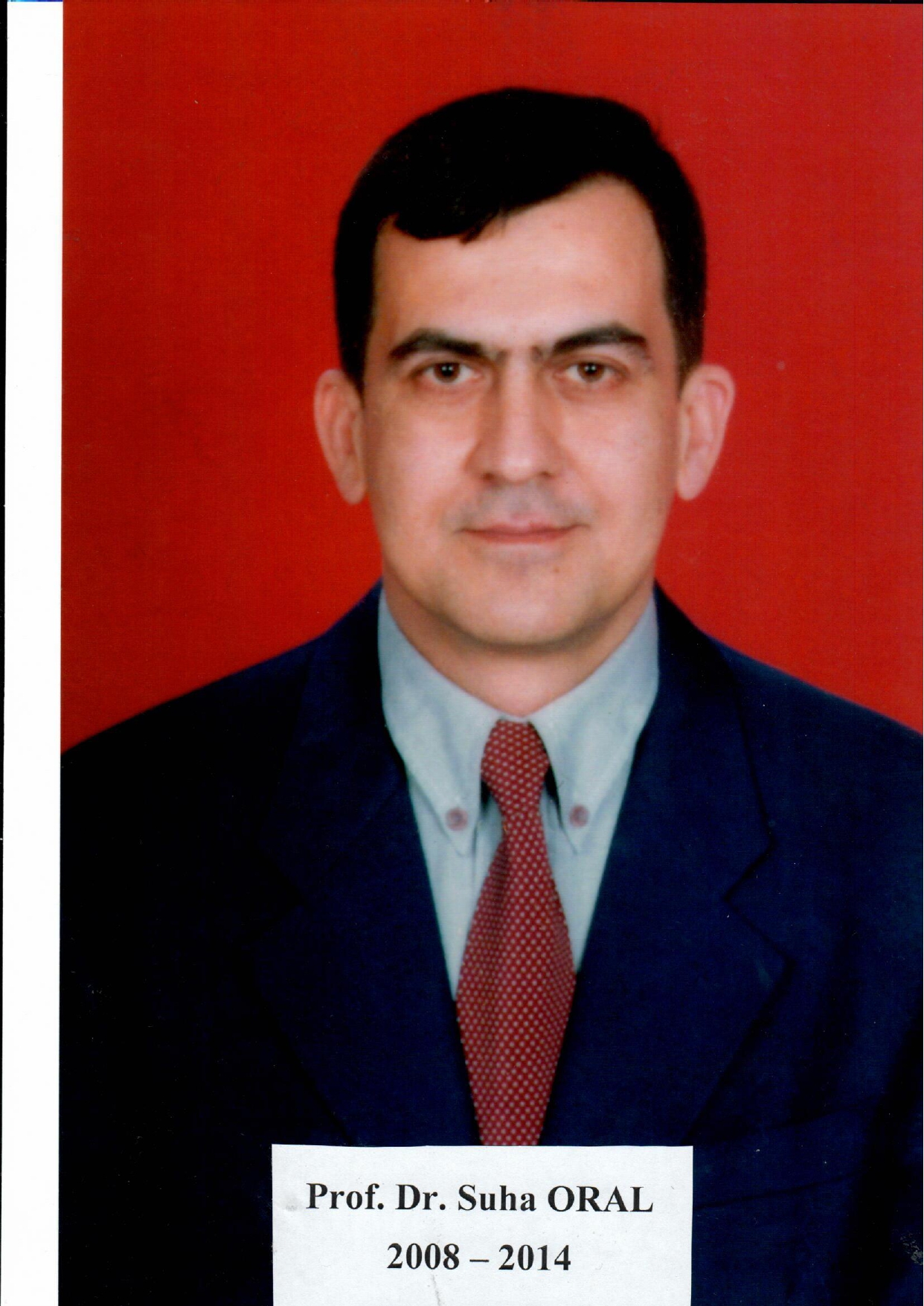
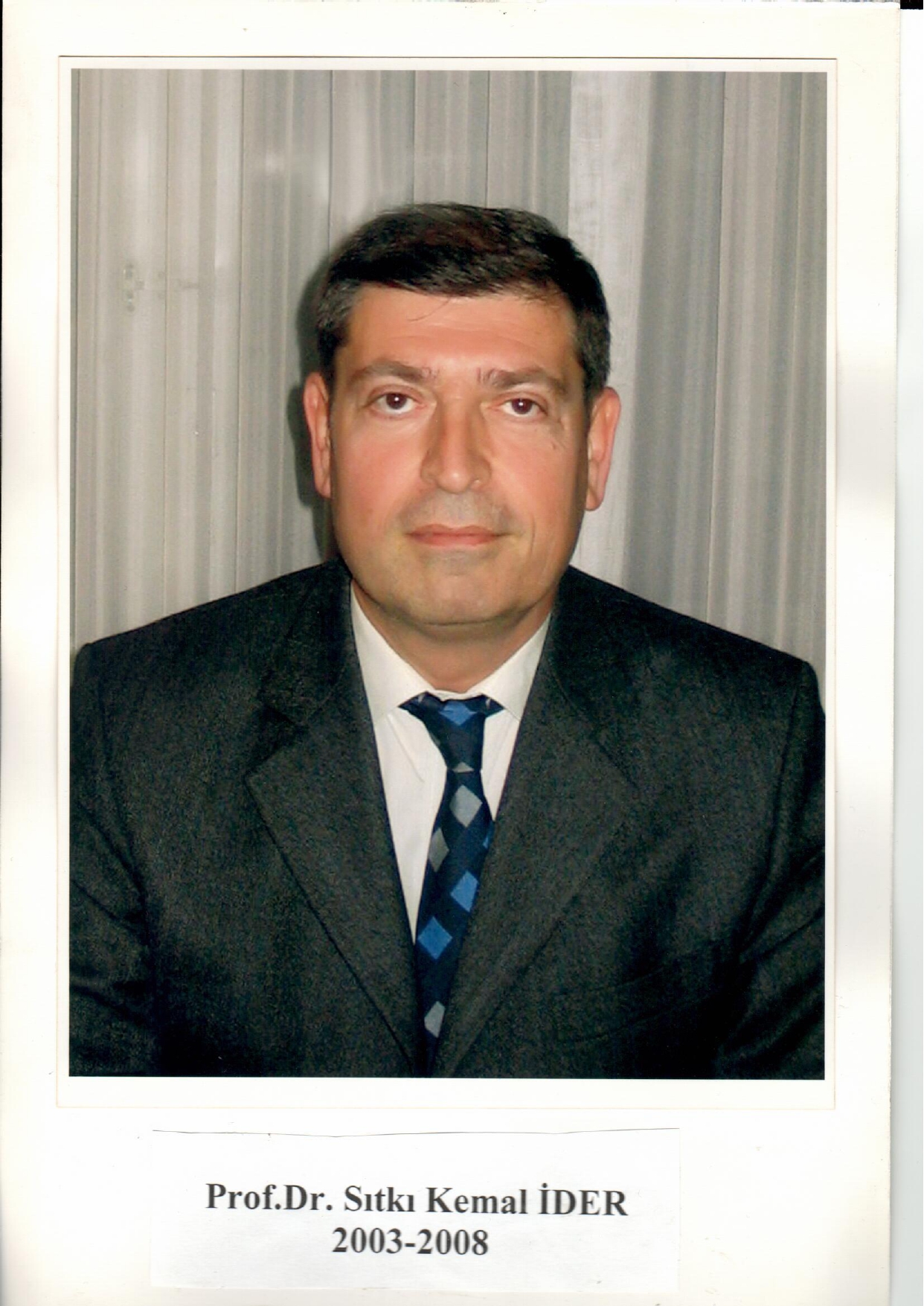
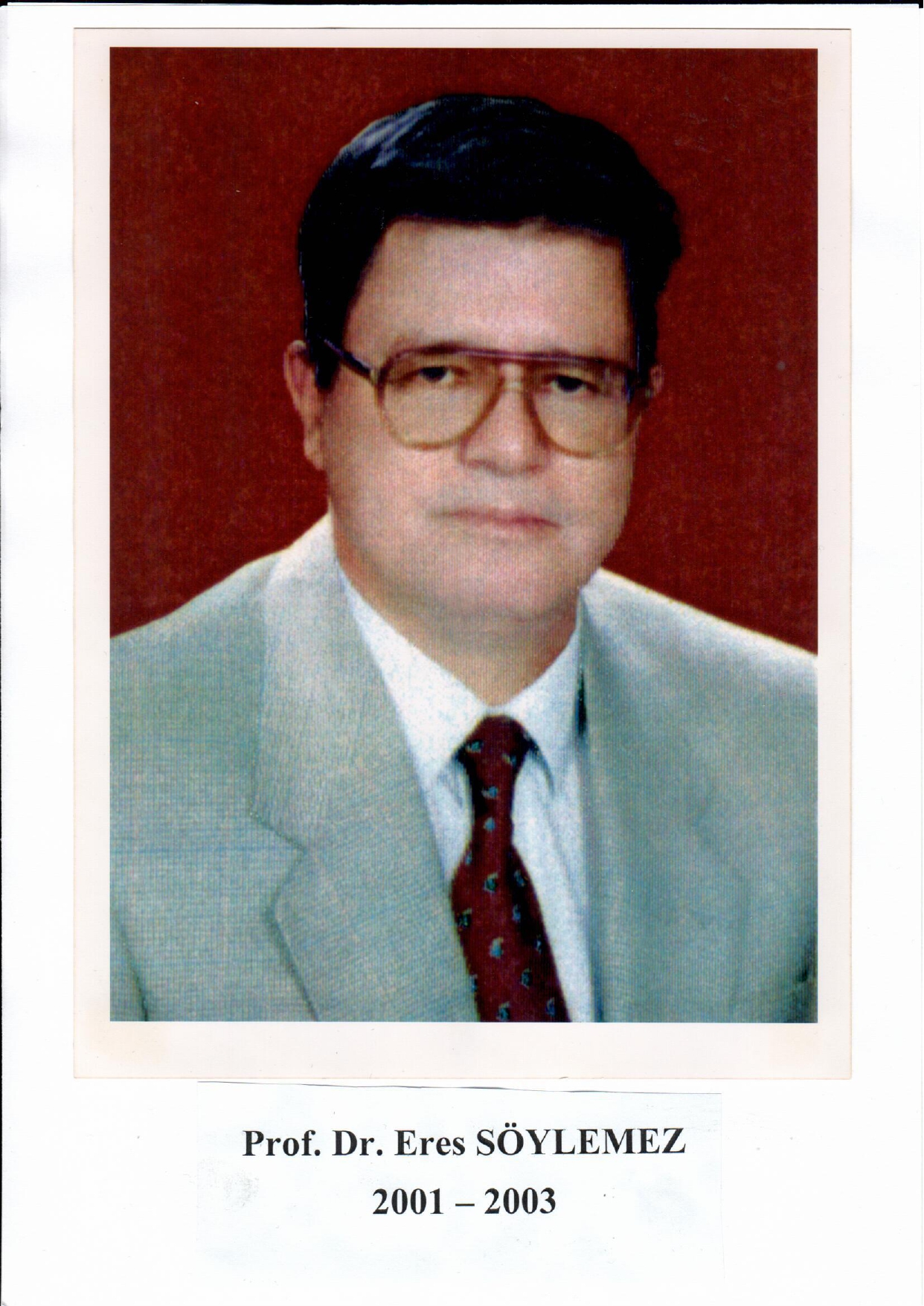
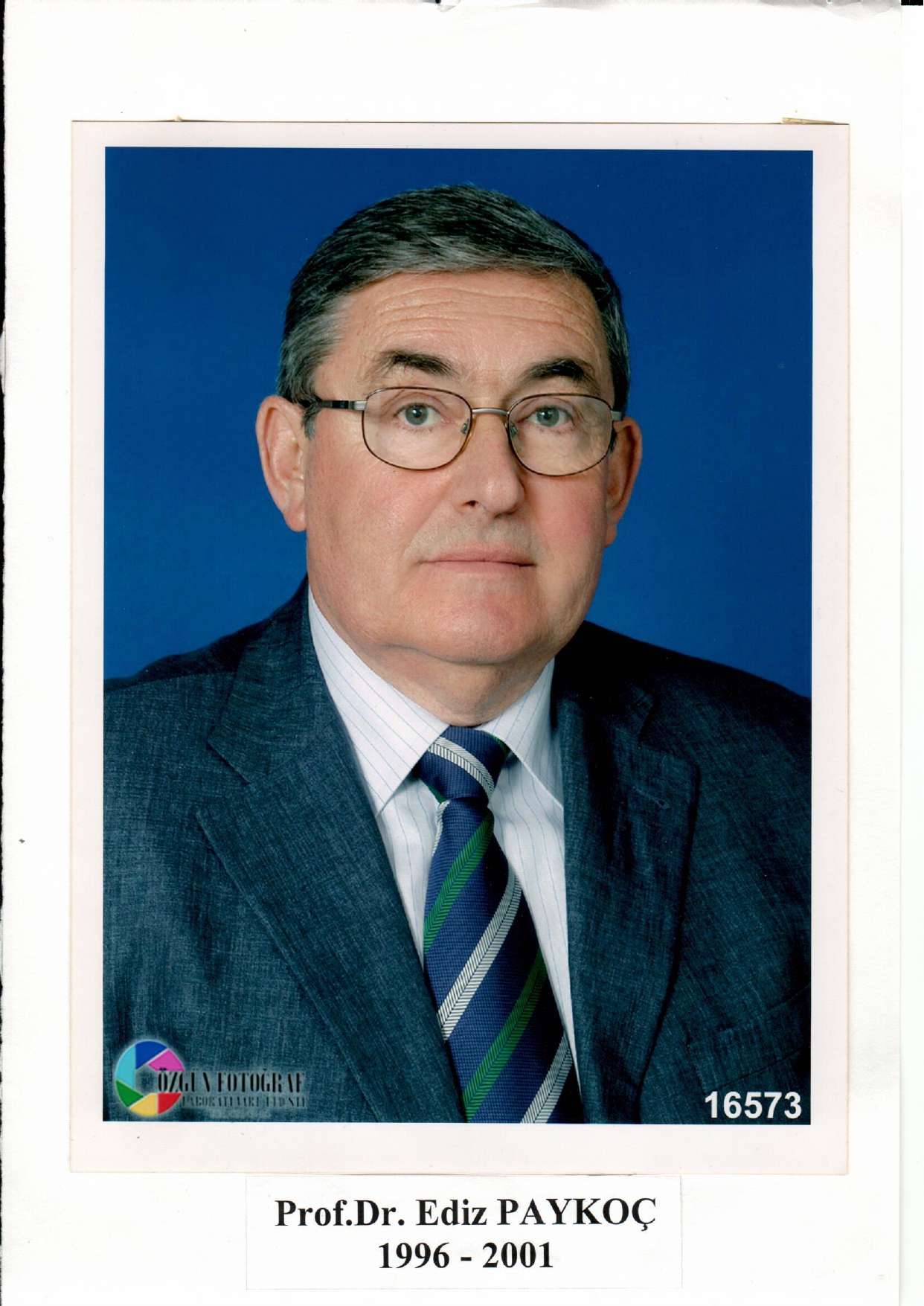
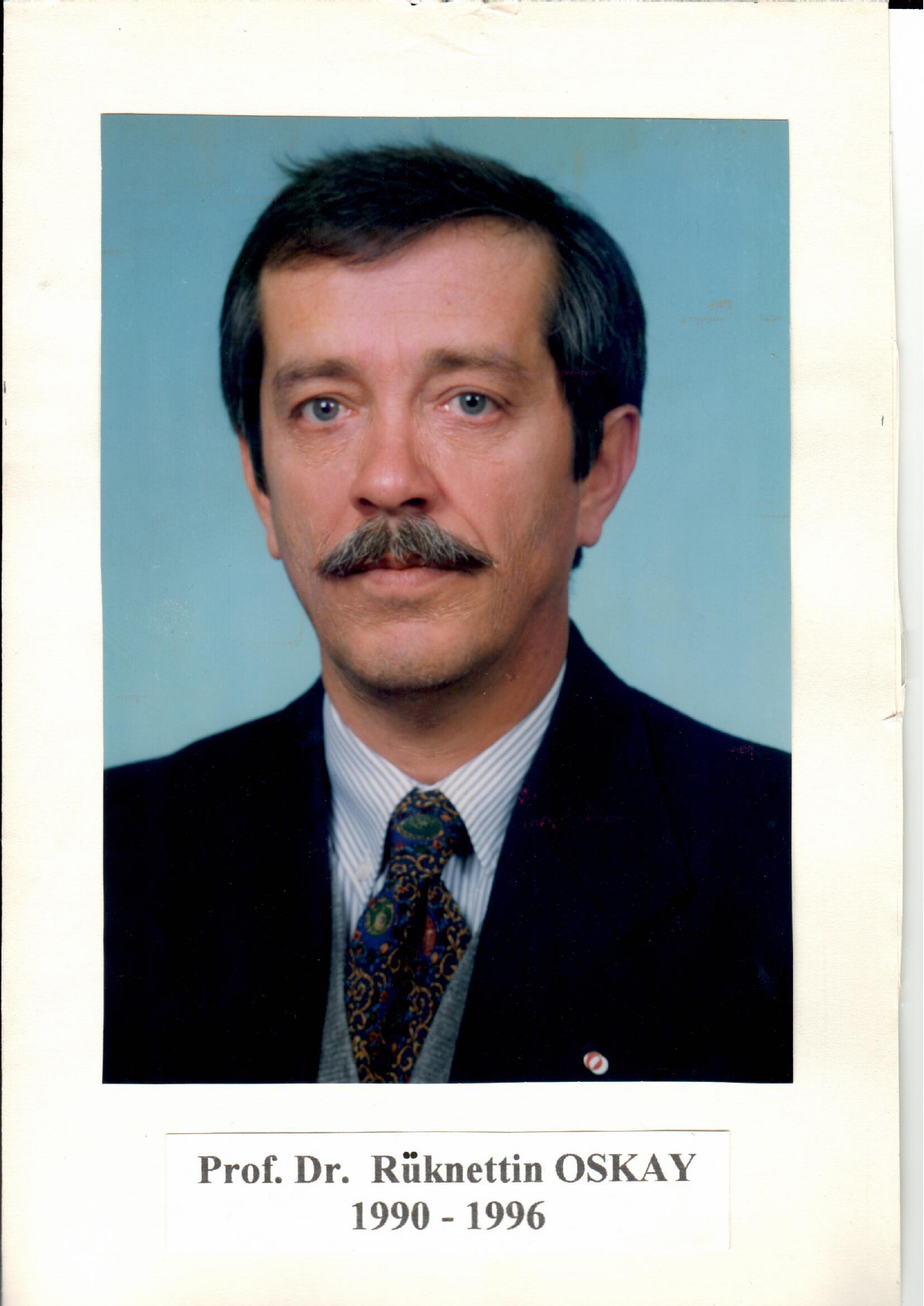
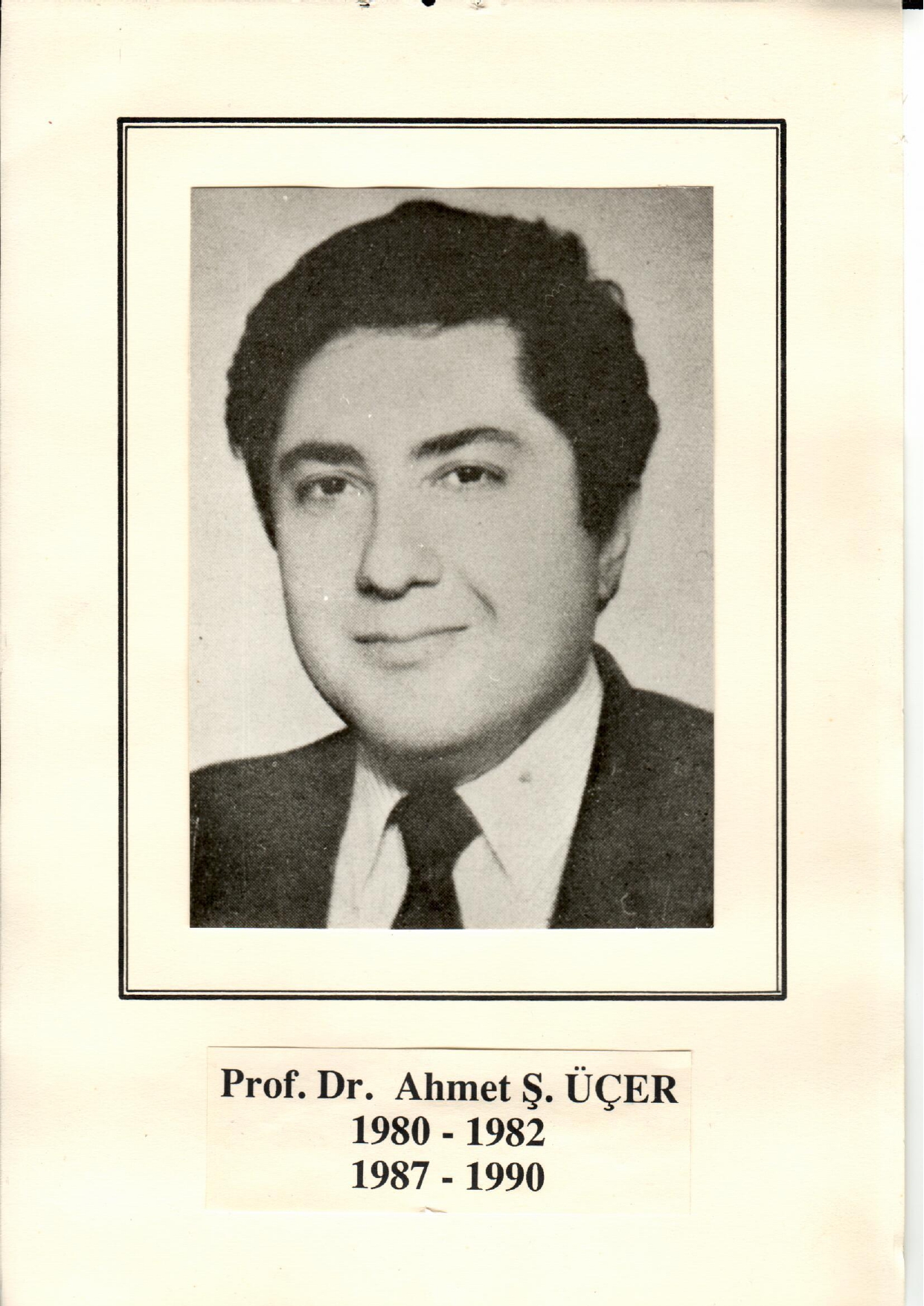
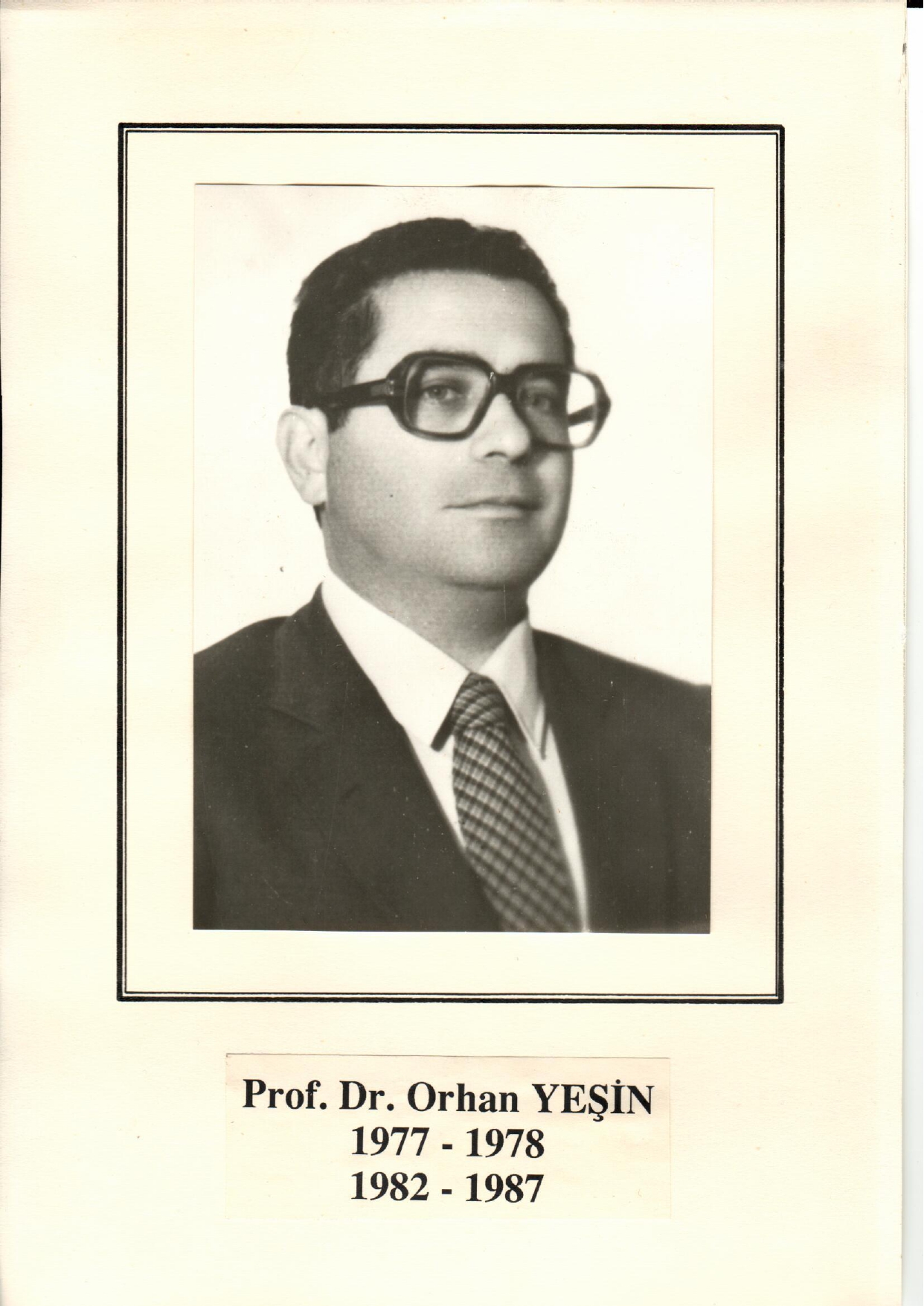
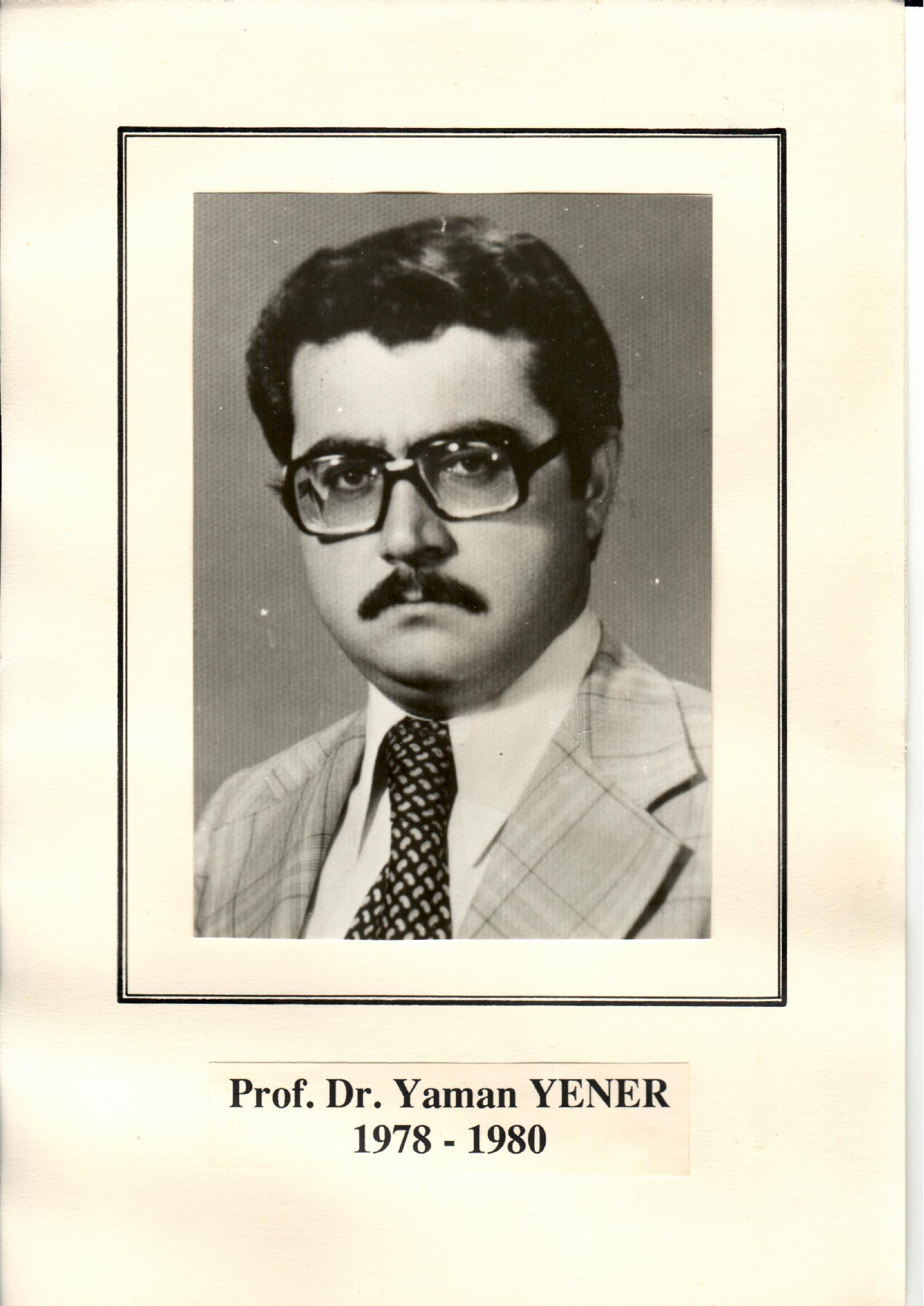
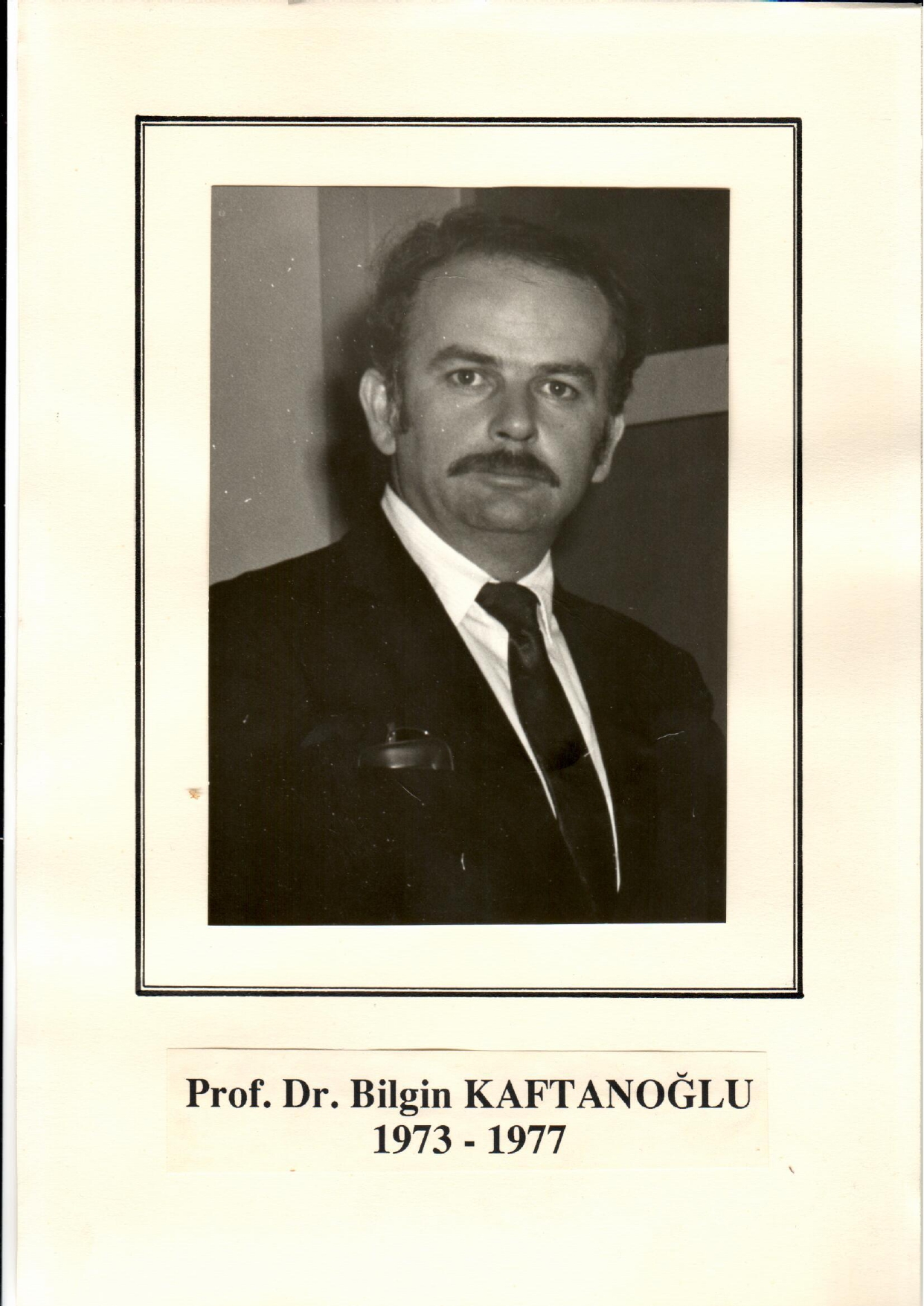
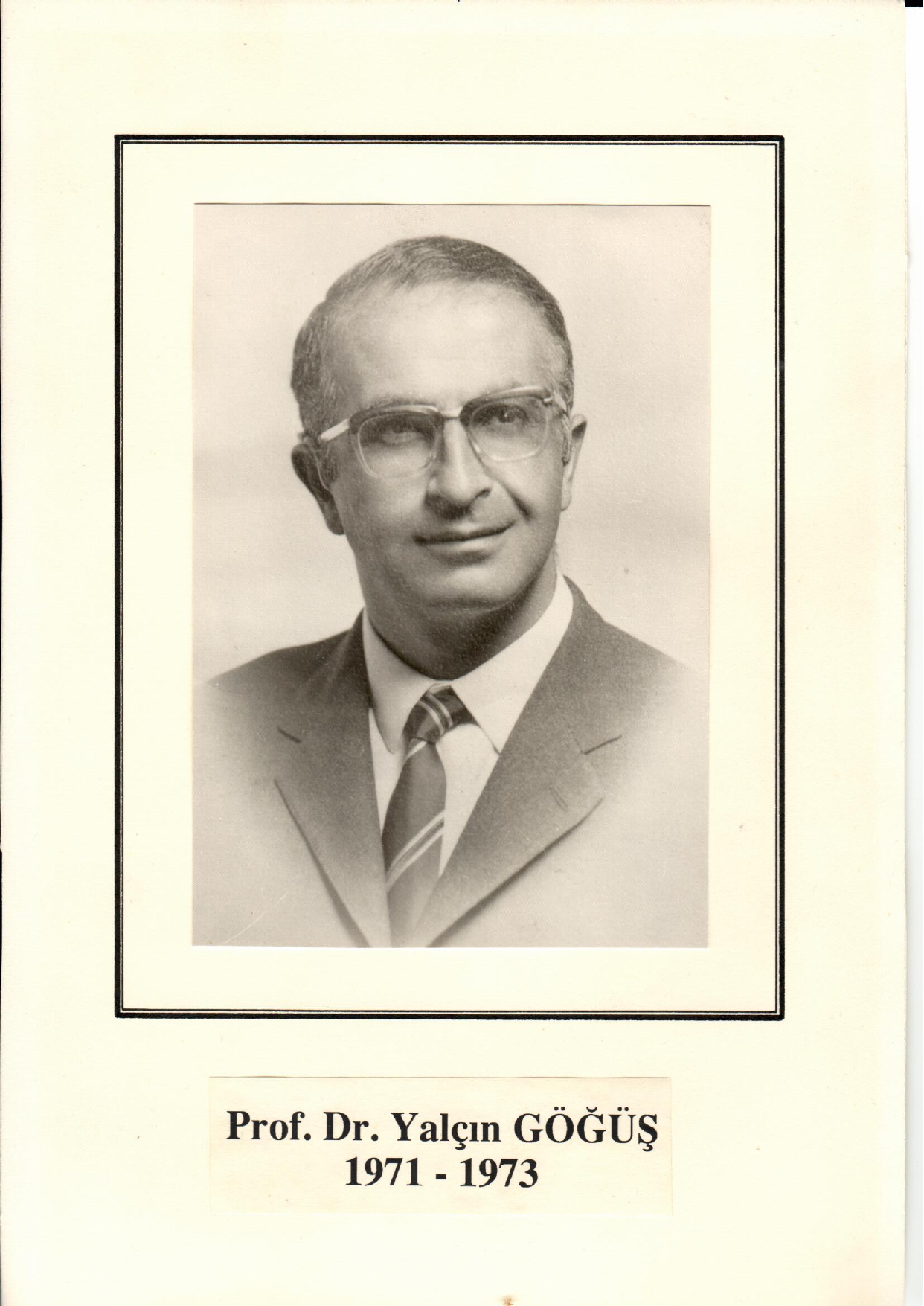
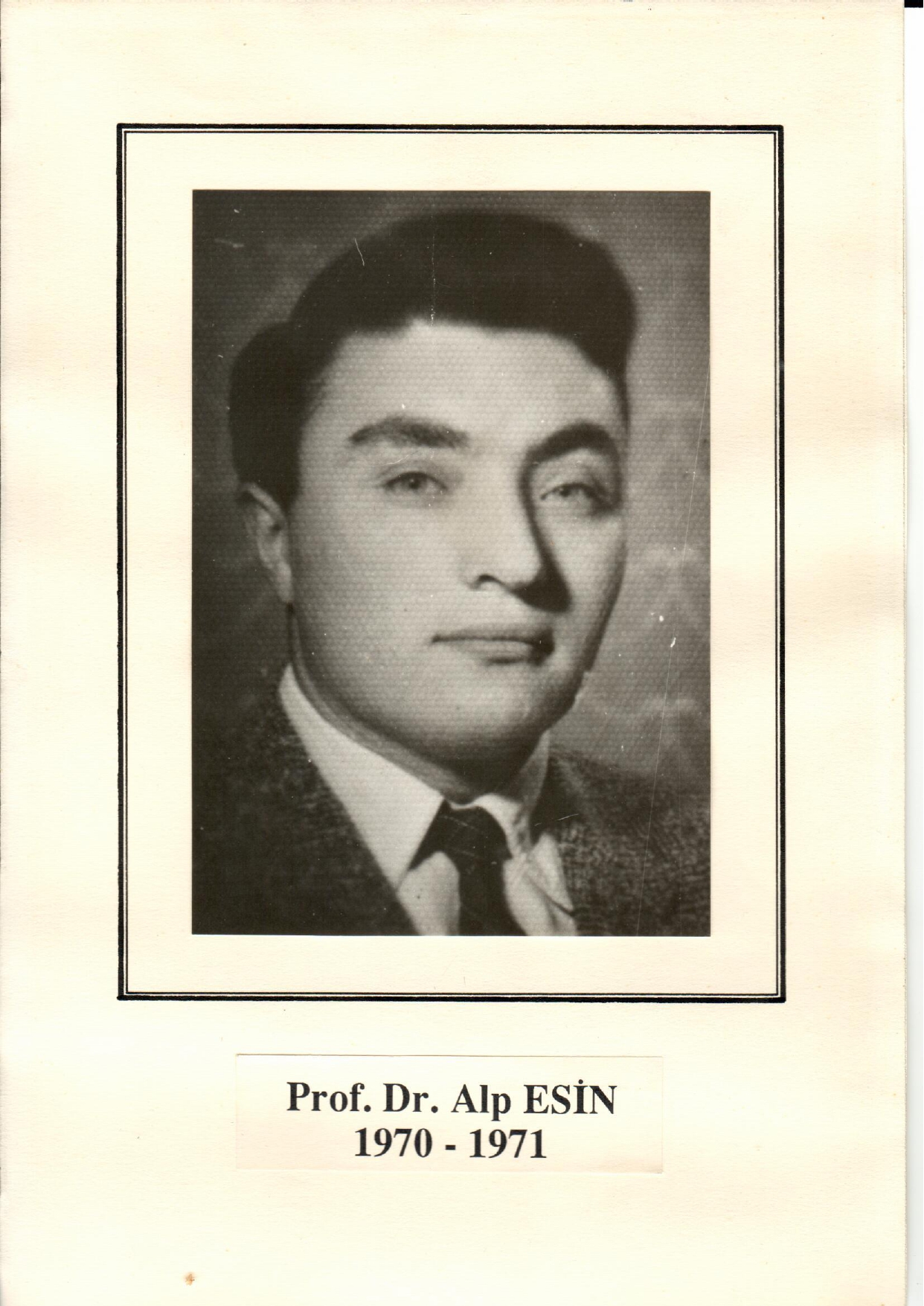
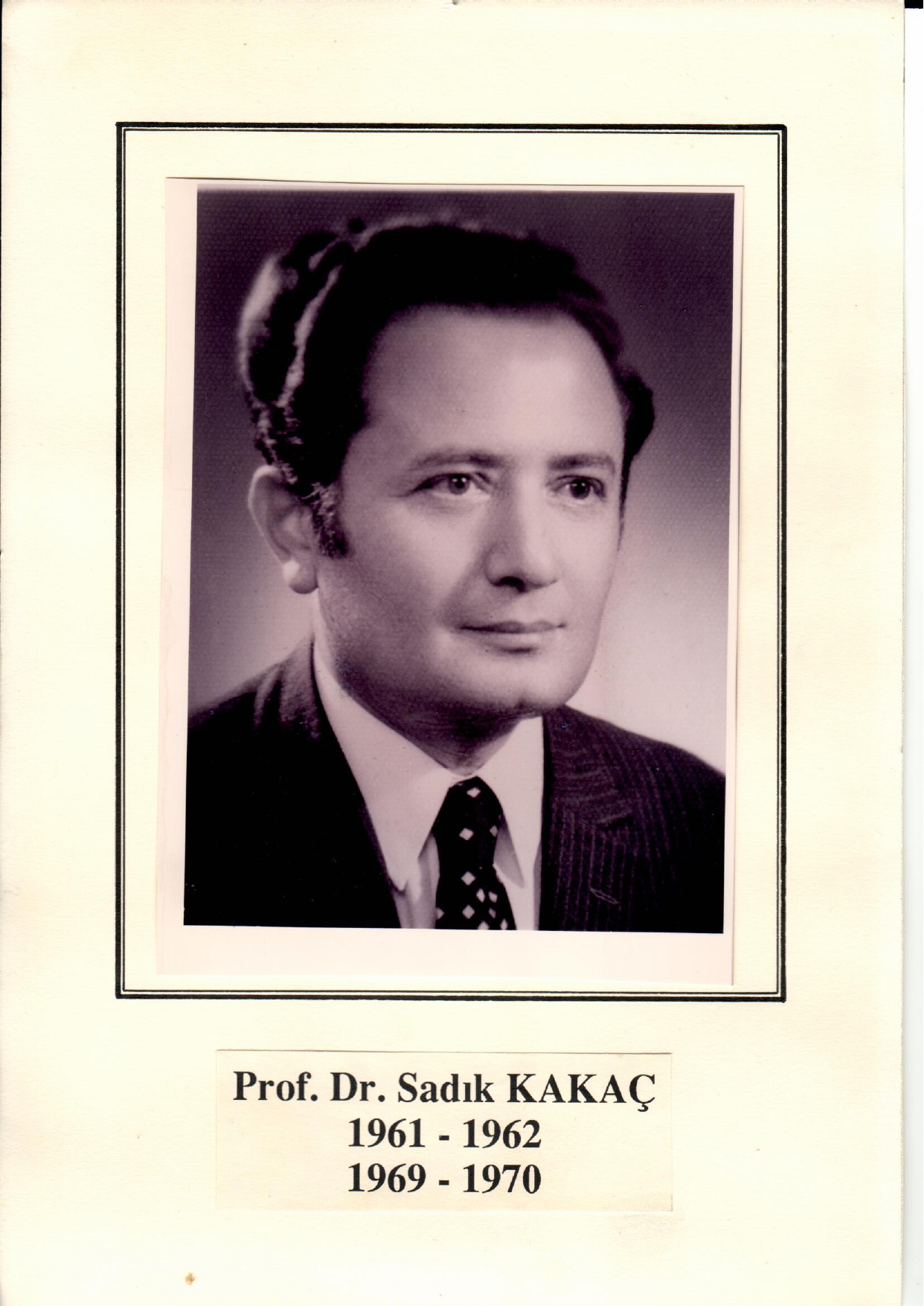
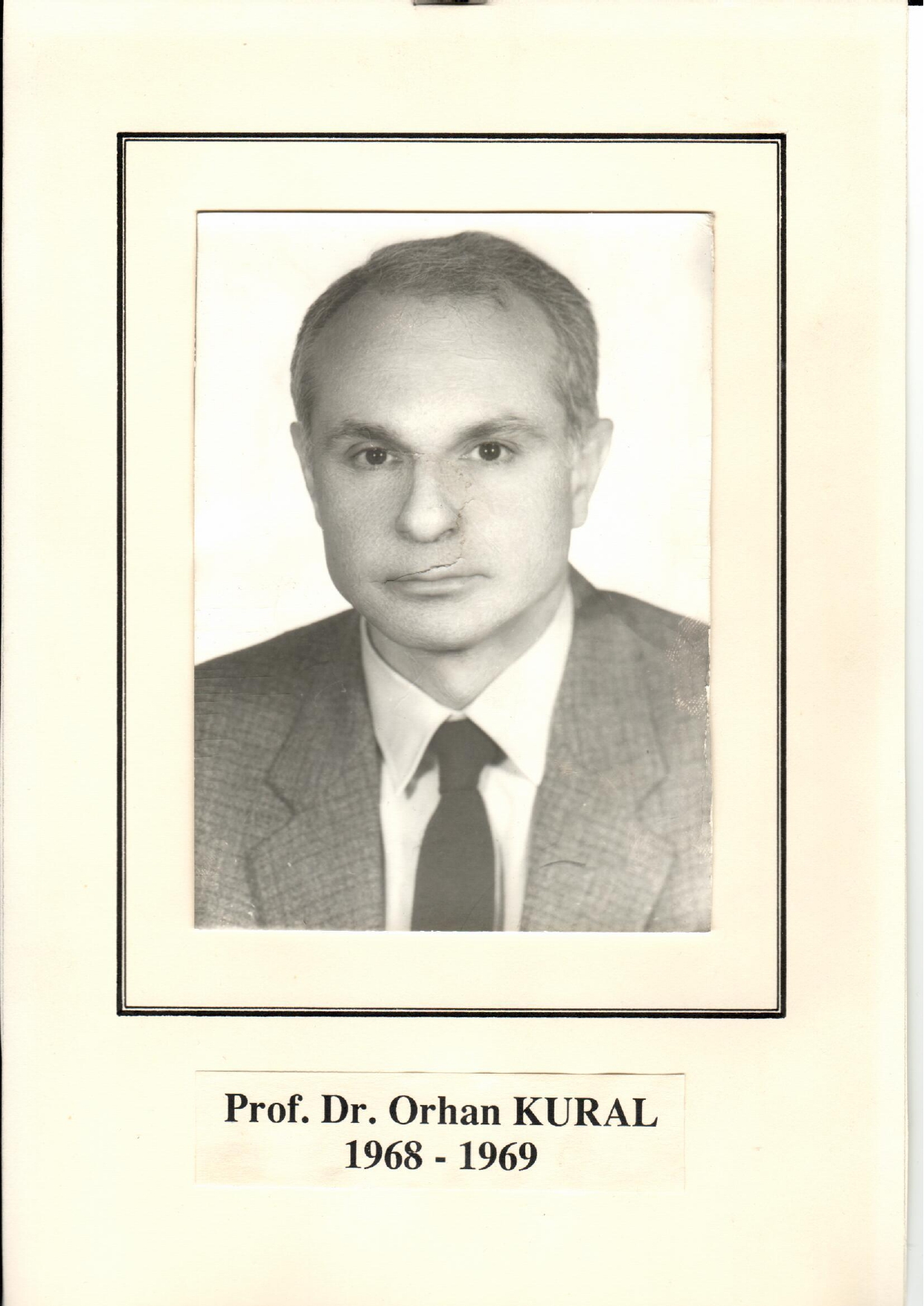
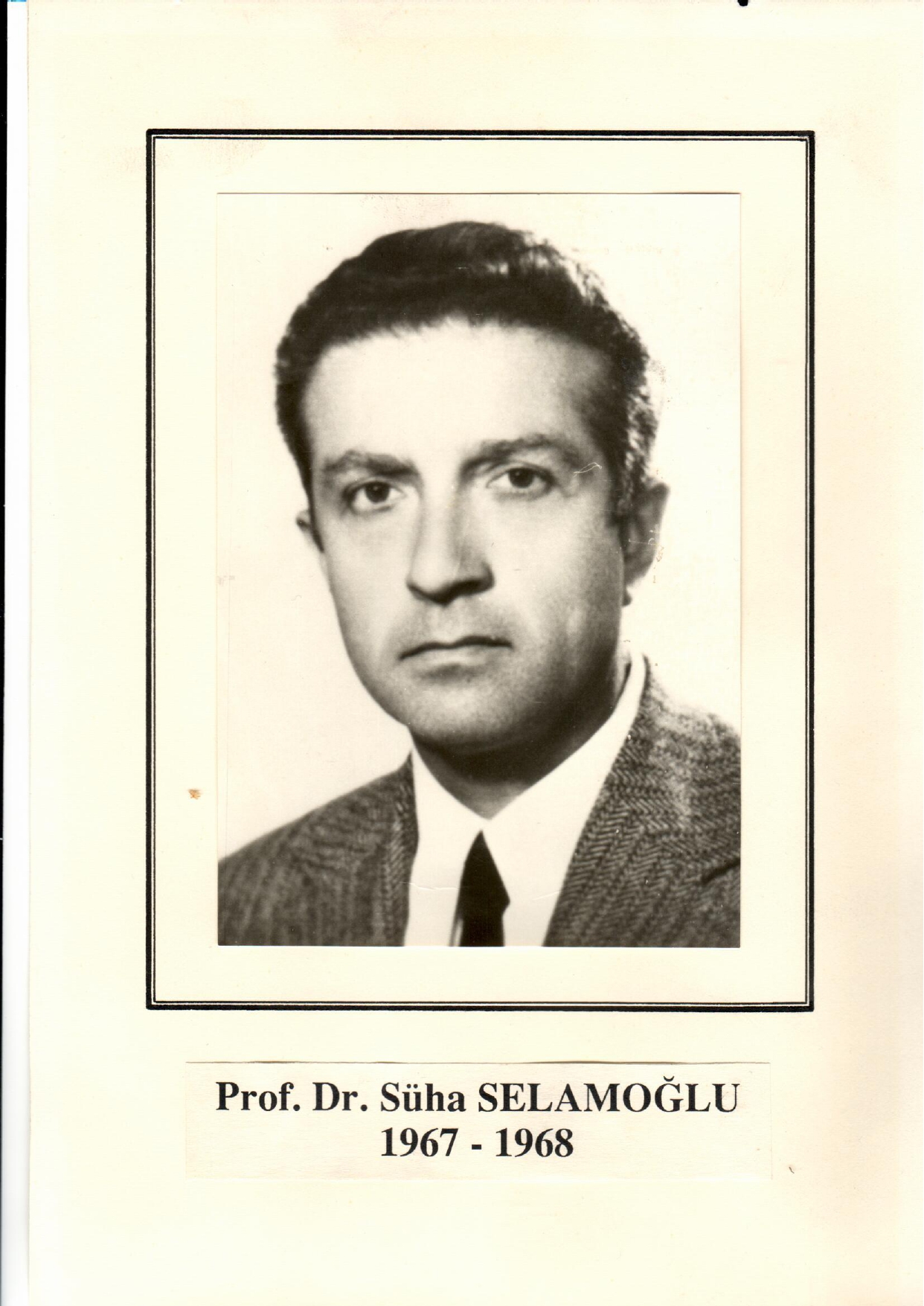
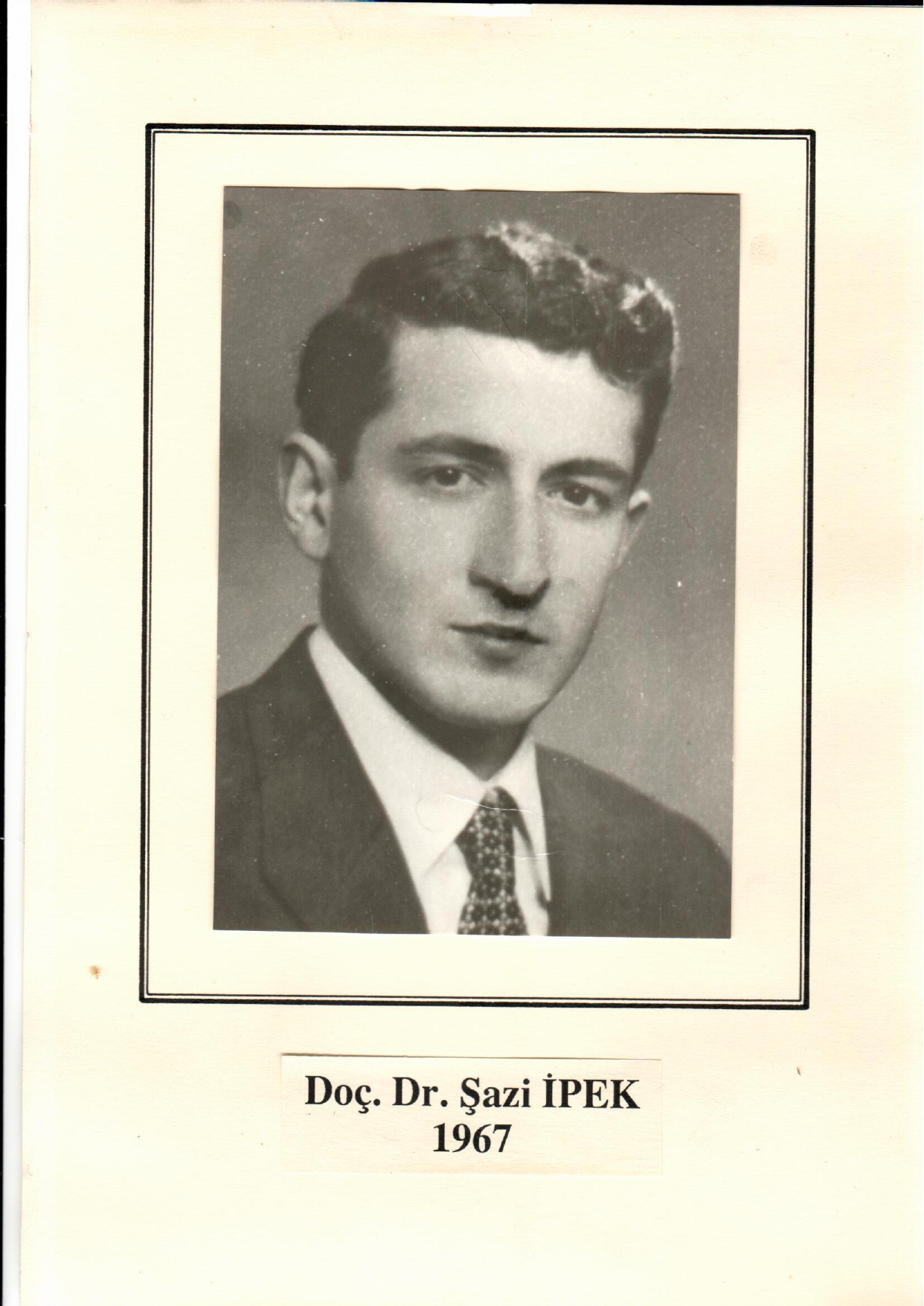
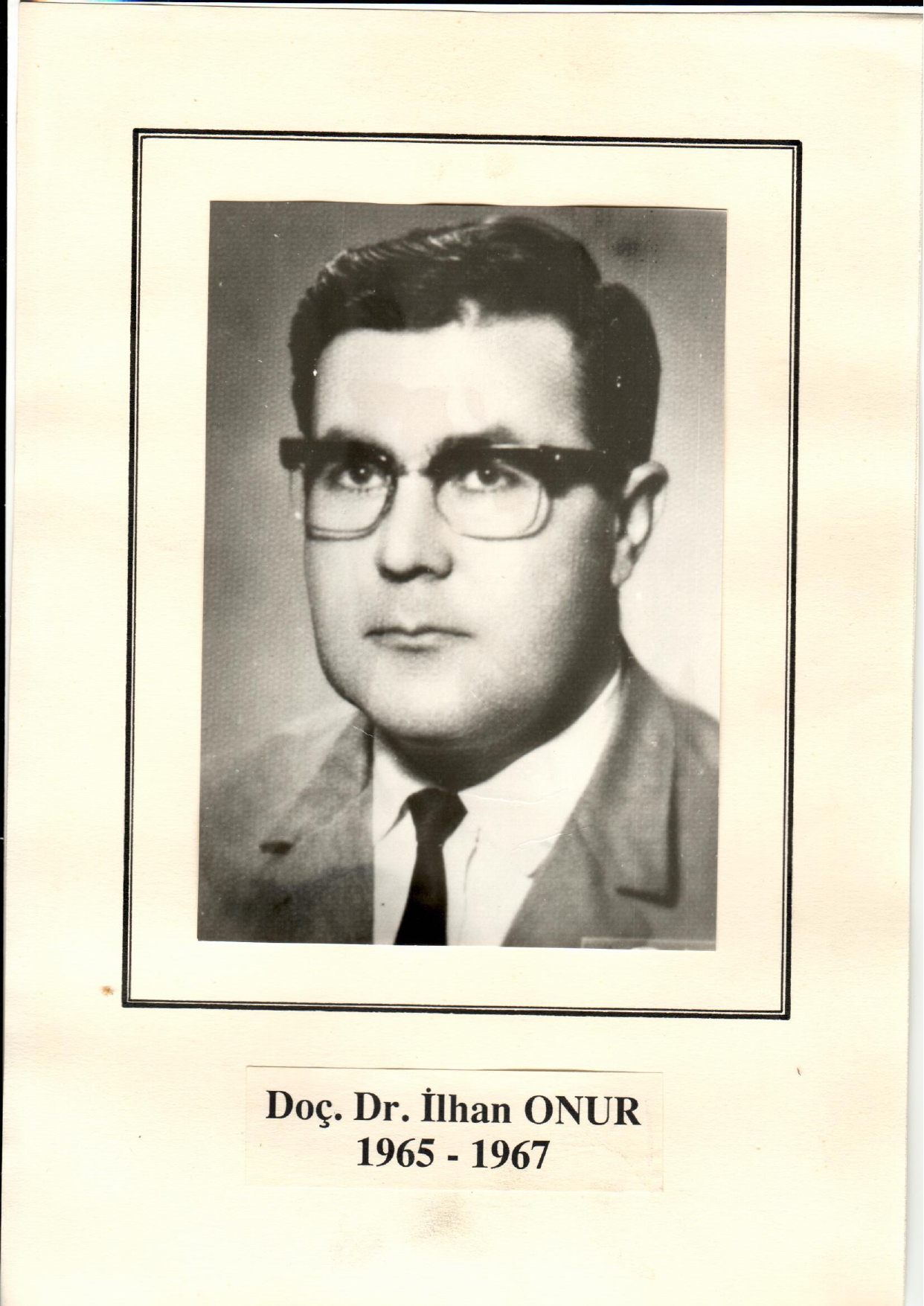
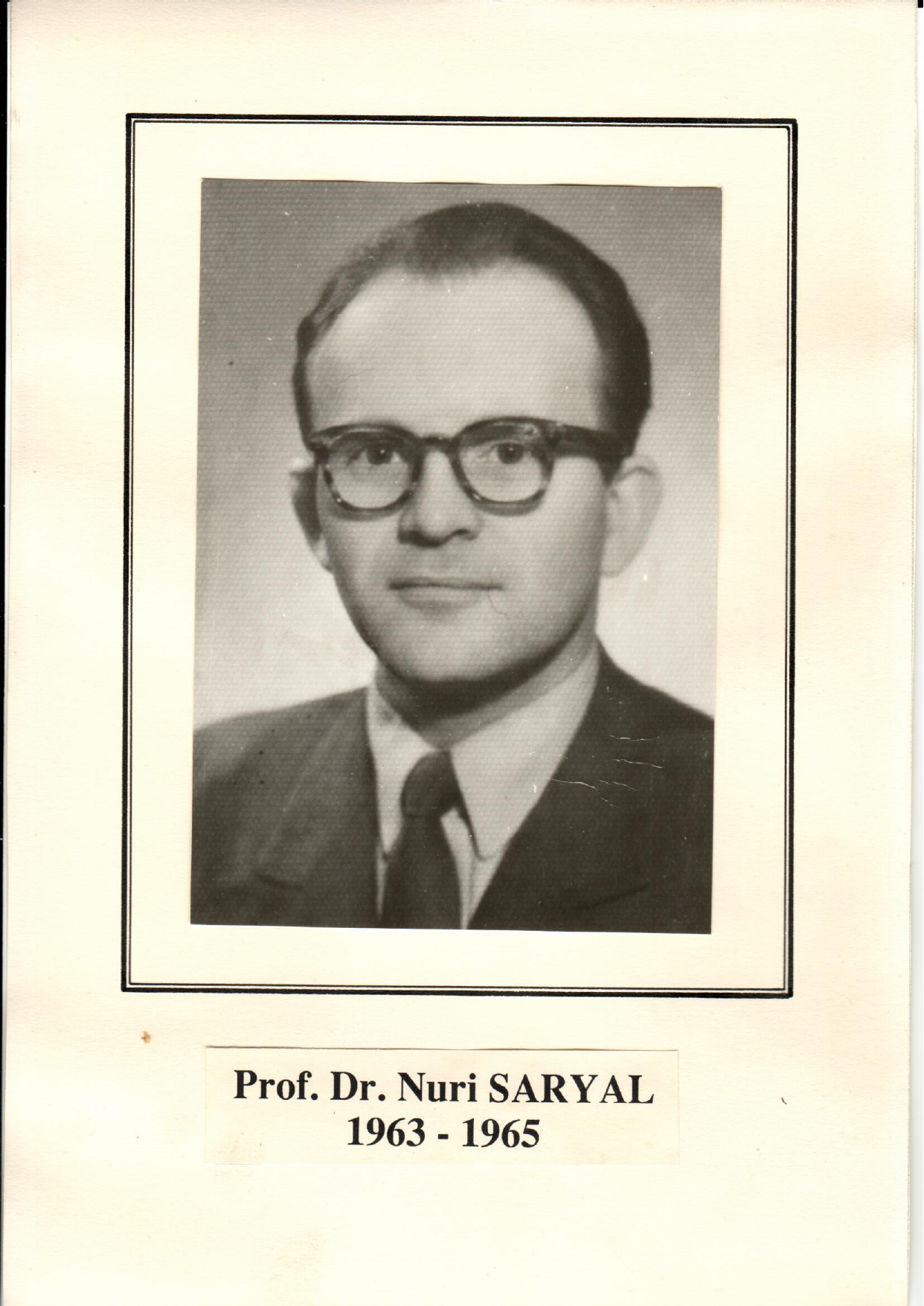
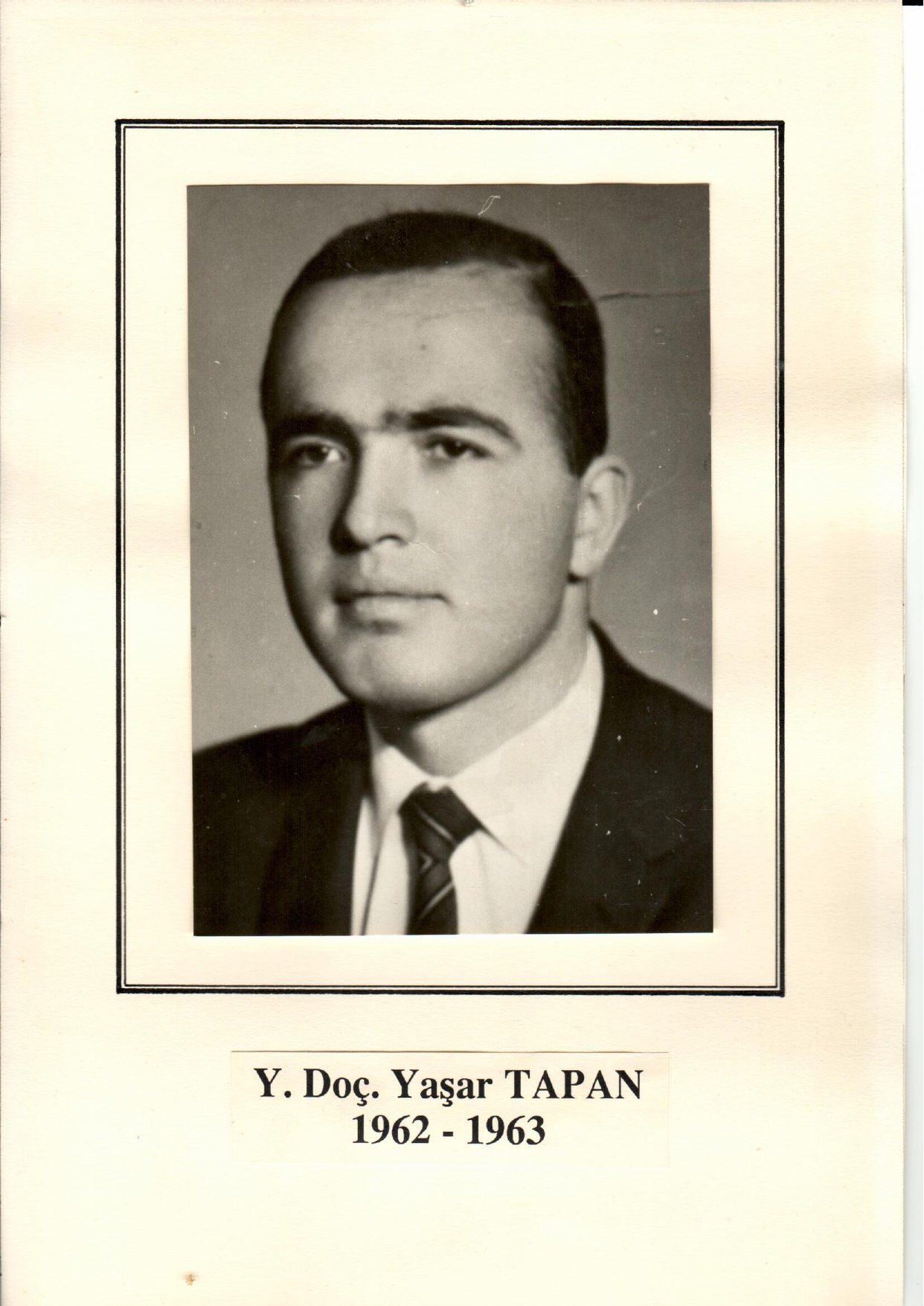
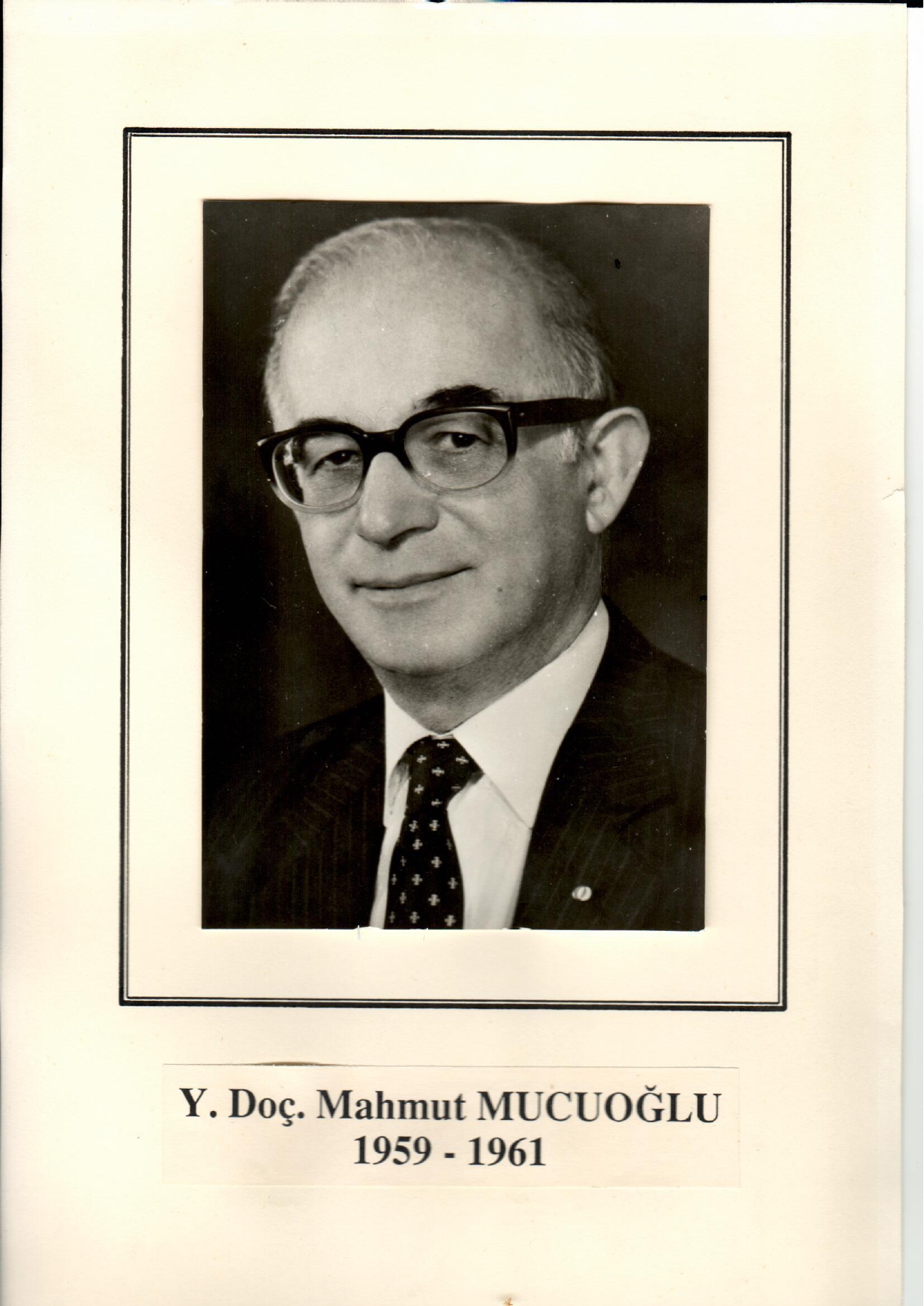
- Haluk Darendeliler1982-2025
- Merve Erdoğmuş Erdal2000-2025
- Feyza Kazanç Özerinç2014-2025
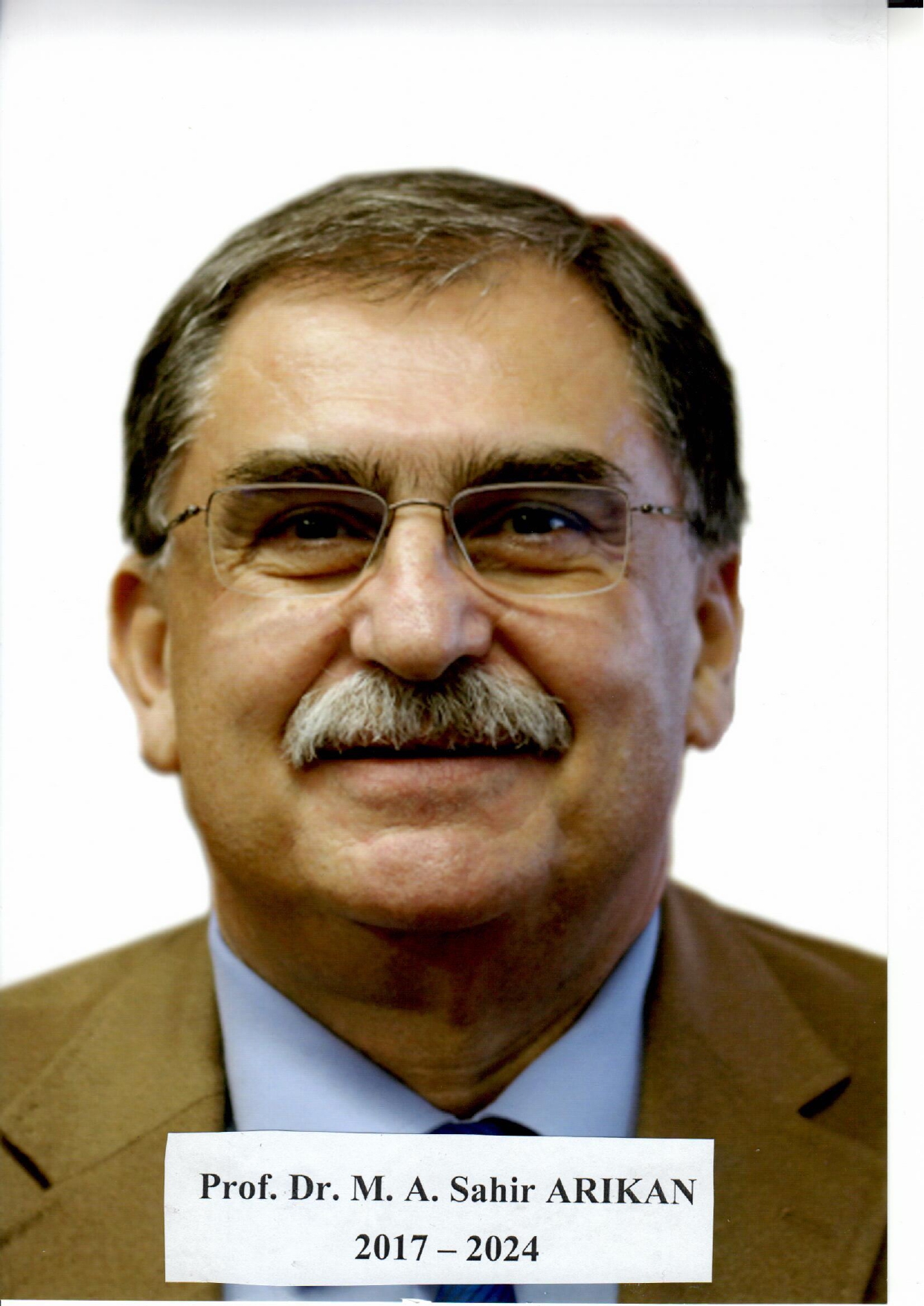
- M. A. Sahir Arıkan1986-2024
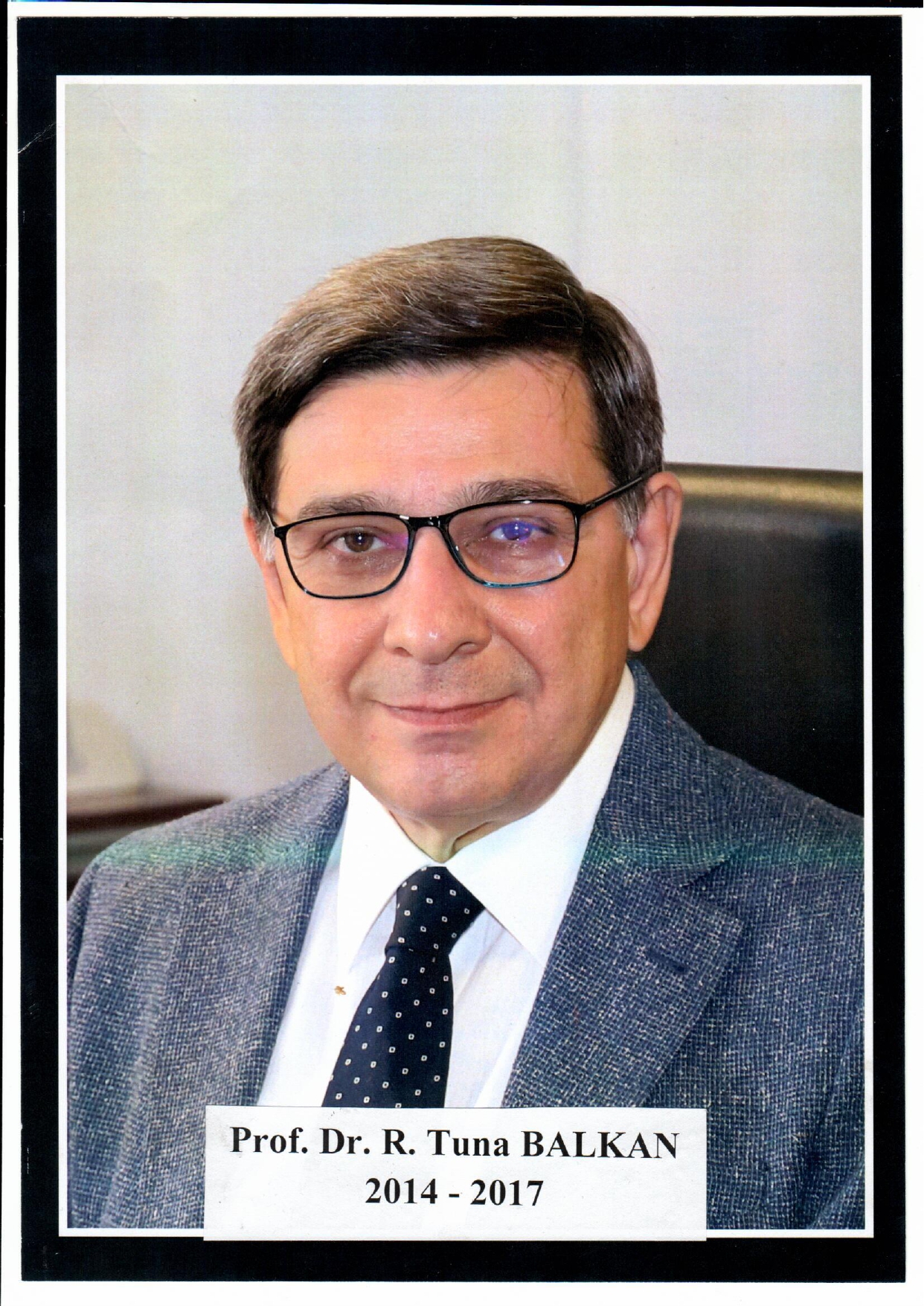
- R. Tuna Balkan1988-2024
- Sezer Özerinç2016-2024
- Alperen Günay2021-2023
- Mustafa İlhan Gökler1983-2023
- Suha Oral1987-2022
- İlker Tarı1998-2022
- Reşit Soylu1988-2022
- Kerem Bayar2017-2021
- M. Haluk Aksel1983-2020
- Tuba Okutucu Özyurt2006-2020
- Metin Akkök1979-2019
- Mehmet Çalışkan1983-2018
- A. Bülent Doyum1987-2018
- Hüseyin Vural1987-2018
- H. Nevzat Özgüven1979-2018
- S. Turgut Tümer1979-2018
- Cemil Yamalı1985-2017
- Nazlı Dönmezer2014-2017
- Tahsin A. Çetinkaya1986-2016
- Kahraman Albayrak1984-2016
- R. Orhan Yıldırım1981-2016
- Y. Samim Ünlüsoy1979-2016
- M. Kemal Özgören1976-2015
- Mustafa Özdemir2013-2015
- K. Levend Parnas1992-2015
- Bülent E. Platin1978-2014
- Kerep Civci1978-2014
- Rüknettin Oskay1976-2014
- S. Engin Kılıç1977-1984, 1990-2013
- S. Kemal İder1989-2013
- Hafit Yüncü1974-2013
- Eres Söylemez1974-1986, 1990-2013
- Ş. Faruk Arinç1976-2012
- Can Çoğun1986-1989, 2011-2012
- O. Cahit Eralp1980-2010
- A. Demir Bayka1979-2010
- A. Orhan Yeşin1969-2009
- Ediz Paykoç1966-2007
- Tülay Yeşin (Vrana)1972-2007
- Bilgin Kaftanoğlu1969-2006
- A. Erman Tekkaya1986-2005
- Ömer Gündüz Bilir1976-2004
- Abdülkadir Erden1974-2003
- Alp Esin1967-1973, 1989-2003
- Ahmet Şevket Üçer1970-2003
- Hakkı Eskicioğlu1981-2002
- B. Ayfer Ataoğlu1978-2002
- Ömer Anlağan1975-1985, 1988-2001
- Ömer Turgay Göksel1968-1987
- Sadık Kakaç1960-1982, 1999-2001
- Birol Yücel1970-2001
- Birol Kılkış1975-1993, 1998-1999
- Oya Çınarlı (Yahşi)1995-1999
- Arif İleri1985-1999
- Ayla Özdemir (Baykal)1976-1999
- Selçuk Yahşi1983-1999
- Suha Selamoğlu1966-1997
- Orhan Kural1966-1987, 1991-1996
- Macit Karabay1965-1996
- Nuri Saryal1962-1996
- Murat Sönmez1988-1996
- Güven Aksu1975-1976, 1989-1995
- Özden Turan1993-1995
- Ersoy Taşdemiroğlu1986-1994
- Oluş Boratav1992-1993
- Cevdet Çelenligil1990-1992
- Erdal Oktay1986-1991
- Ahmet Kaya1986-1990
- Mohammed Ansari1985-1989
- Nafiz Alemdaroğlu1979-1987
- Yalçın Göğüş1961-1986
- Semih Ergür1985-1986
- Lütfullah Malkoçoğlu1973-1986
- Ali Durmaz1978-1985
- Hamdi Alaylıoğlu1975-1984
- Şevki Bayvas1980-1984
- Necmettin Candan1979-1984
- Ercüment Özçelik1972-1984
- Feridun Şuşutoğlu1969-1984
- Ömer Lütfü Gülder1978-1983
- Raşit Temel1971-1983
- İmdat Yeğen1973-1983
- Emin Yılmaz1975-1983
- Ahmet Vecdet Arslan1981-1982
- Tamer Ceylan1980-1982
- Yücel Ercan1971-1982
- Bahadır İlhan1975-1982
- Yaman Yener1974-1982
- Tamer Apaydın1976-1981
- Yavuz Beşorak1975-1981
- Yaşar Hondur1969-1981
- Nail Özboya1981
- Ömer Savaş1981
- Türkan Salgır1968-1979
- Mehmet Akyurt1969-1978
- Hicri Sezgen1963-1977
- Raif Taney1964-1977
- Mustafa Akay1974-1976
- Salim Iqbal Alvi1974-1975
- Atom Damalı1972-1976
- Metin Ersoy1975-1976
- Deniz Gürses1974-1976
- İlhan Onur1965-1976
- Önder Korfalı1975
- S.H. Qasım1974-1975
- Vedat Arpacı1967-1968, 1973-1974
- Necip Berme1966-1974
- Yıldırım Bayazıtoğlu1966-1974
- Yıldız Bayazıtoğlu1972-1974
- Emin Öker1968-1974
- Ömer Göksel1964-1973
- Halit Çakır1959-1972
- Kudret Selçuk1961-1972
- Fahri Tuncer1972
- M. Cemal Akışoğlu1970-1971
- Erdoğan Çıtakoğlu (Karahan)1961-1971
- Sedat Sami Ercan1964-1971
- Ekrem Pakdemirli1967-1971
- Erden Sevilir1969-1971
- Şafkat Ali Beg1968-1970
- Levent Kayalar1969-1970
- İ. Şazi İpek1961-1968
- Hamza Özmeral1963-1967
- Ali İhsan Tangören1966
- Hasan Zaimoğlu1963-1965
- Alpay Ankara1964
- Mustafa Doruk1963-1964
- Mahmut Mucuoğlu1960-1964
- Yaşar Tapan1959-1963
- John W. Jackson1957-1959